The Origins of Games: A Conversation With Toy Museum Director, Orhan Bahtiyar
The original purposes of the games and toys we enjoyed as children were quite different. These games, which impacted society both socially and culturally, mirrored the social and economic contexts of the countries where they were made, often without our awareness. Today, advancements in technology have led to a significant evolution of games. Orhan Bahtiyar, director of the Düştepe Toy Museum and an author, shared stories of how games and toys have changed from the past to the present.
Fikriye Yılmaz: Hello, we have already shared a bit about the magazine with you. We are working to build a timeline that tells the whole story, from the very beginning through the production stage. In that timeline, your place is at the very beginning. With that in mind, could you tell us about games from historical, social, and cultural perspectives?
Orhan Bahtiyar: First, it’s crucial to distinguish between toys and games. Though they may appear similar, they are fundamentally different. Toys lack rules; a child’s imagination makes the play itself. In contrast, games have rules set by specific people for reasons. Most notably, board games -distinct from street games, which warrant separate discussion- mirror cultural and artistic policies. Historically, games date back to ancient times. For example, in ancient India, human sacrifices involved a priest blindfolding himself, walking into a crowd, and selecting a victim at random, which is considered the origin of the “blind man’s buff” game. They also put a goatskin on the victim’s back, giving rise to the term “scapegoat.” While this isn’t directly related to games, I thought it was worth mentioning as an interesting historical note.
When we look at the history of games, their origins go back a very long time, and throughout history, games have given rise to toys. Many games reflect the cultural, artistic, and educational policies of the countries they come from. The history of games begins in the 1850s, during what we call the Elizabethan era, with the discovery of vaccines and technological advances that helped secure children’s lives. I’m talking about the history of industrial games.
Until then, there was no certainty that a child would survive after birth because of epidemics and childhood diseases. But once vaccines made survival much more likely, countries with strong intellectual traditions began asking, “What can we add to this child’s imagination? How can we prepare them for life? How can we help them develop further?” And that is how games were born. As I said, games have rules, and those rules significantly impact a child’s development.
F.Y: I have a question about the museum. You mentioned that “Every museum has a story.” Can you share the story behind this museum?
“The museum was created to foster family unity. Despite living under the same roof, families often feel separated by technology; everyone is glued to their phones and tablets, with little interaction.”
O.B: This is how I would tell the story of this museum: owned by Ataşehir Municipality, it started when the Ataşehir Mayor visited the toy museum and met Sunay Akın. During their conversation, the idea of opening a toy museum in Ataşehir emerged. However, since Mr. Akın had already planned a different concept, he proposed creating a game museum and a fairy tale museum instead. He suggested to the mayor that they establish a game museum rather than a toy museum. The site was chosen, and preparations for the new museum began. The collection here is one of the two or three most valuable collections in the world. The meeting took place in 2014, and the museum opened a year later. This collection wasn’t assembled in a single year; Sunay Akın had been collecting it for about fifteen years. After that, the process moved much faster, and items were collected from collectors, antique dealers, and auction houses to build the museum’s collection. Due to space limitations, there are as many pieces that we cannot display as there are pieces on display. That is how the museum came into being.
The museum was created to foster family unity. Despite living under the same roof, families often feel separated by technology; everyone is glued to their phones and tablets, with little interaction. Our goal was to connect different generations through shared activities and games. However, progress was interrupted by the pandemic. Being owned by the municipality has its benefits, but bureaucracy is a challenge. For instance, I had to explain what a museum is to the local authorities- and I’m still trying. Unfortunately, a true museum culture is lacking in this country. In Türkiye, the average museum visit lasts about seven minutes, a brief period considering the variety of visitors, from those who linger to those who just pass through. I once heard that a person in Germany could spend sixteen years exploring every museum in the country, while here, we only glance and move on. Before the pandemic, things seemed promising, but bureaucratic hurdles slowed us down, and there’s little we can do. As they say, every rose has its thorn. Maintaining a museum like this is indeed a difficult task. We were closed during the pandemic, and afterward, several factors, including the worsening economic situation in the country, compelled us to cut our activities by half. This had a significant impact on us. We collaborate with some of the best professionals in their fields in Türkiye. I personally seek them out, meet with them, and invite them here. Our events are always fully booked; we never have an empty seat. However, I’m not sure if that can truly be considered success. I wanted to promote this museum more internationally, but given the current circumstances, that’s not really feasible. I’d estimate we’ve achieved about seventy-five percent – full success would be one hundred percent.
“Every board game reflects the economic and social conditions of the time in which it was created.”
Ece Nisa Güven: You mentioned that technology is causing a separation among families. As technology advances, perceptions of traditional games have shifted somewhat. Passively engaging games that affect both mental and physical aspects -what we refer to as esports- have begun to emerge. Meanwhile, concepts like esports are gradually gaining acceptance. How do you assess the current state of gaming?
O.B: I am not only a game collector and museum director but also an avid gamer. I developed one of Türkiye’s first computer game programs. Gaming has always been a part of me, allowing me to easily see the similarities and differences between the two worlds. I have witnessed firsthand how technology has advanced from its early days to today. When I was twenty-six, the internet arrived in Türkiye- a very different experience back then. The idea of online gaming didn’t exist; the internet was mainly for browsing and chatting, and many didn’t know how to use it. But things changed rapidly. Since we couldn’t play online, we set up a network at a friend’s house in Moda. Every week, I carried two computers from my home to his. What else could we do? Play games, of course. The place was a semi-basement, usually hosting about eighteen to twenty people. Sometimes, people knocked on the window, thinking it was an internet café, asking about the cost. Those were great times, with a real culture of gathering because online play wasn’t possible- being in the same place was part of the fun.
 As online gaming grew more popular, people began staying home, chatting on Discord, and playing games. While it’s fun, I’ve always preferred having someone sitting next to me, sharing remarks and chatting in person. You can still do that, but they’re not physically there, which lessens that feeling of closeness. My friends and I also enjoyed playing board games together. We would gather at each other’s homes, often with six different games running simultaneously. Technology has had both positive and negative impacts; it has influenced family and social life. For example, when my friends celebrated a birthday in an online game, I chose to stop participating because it made me feel disconnected from the real world. I still play board and video games occasionally, but I have focused more on writing books and reduced my gaming time. While games will always be important to me, I believe they can be harmful beyond a certain point especially for children and teenagers.
F.Y: After the 2000s, the digital side gained tremendous momentum and evolved in very interesting ways. Today, only a handful of people preserve the old board games.
O.B: Even traditional board games are now digitalized. In esports, I see a serious issue. You might have heard of children dying from starvation or epileptic seizures while glued to their computers. I remember six or seven such incidents over the past ten years. While that may not be a large number, why should anyone die from playing a game? Games and gaming culture should promote enjoyment of life, not harm it. Of course, money influences the scene now. For instance, children are beginning to sell in-game earnings, and commercial interests have entered the industry. Kids with limited activities become fully engrossed in games, risking damage to their lives and futures. They become isolated from the real world and lose touch with reality. Digital gaming not only impacts social life but also affects personal well-being and health.
 F.Y: Do you think the era of traditional board games is coming to an end? To me, they seem to be dying out.
O.B: It varies depending on your location. When you visit Kadıköy and stroll through Moda, observing people playing games, it shows that some still maintain the hobby. For instance, the Goblin Game Club exemplifies this. Therefore, I don’t believe board games will vanish entirely, but they may not become more popular either. Instead, they might diminish gradually in size. Perhaps one day they will disappear altogether, but I can’t tell how long that will take or if I’ll be around to see it. The culture of board gaming is unique and will always have enthusiasts committed to keeping it alive.
F.Y: But it seems that our generation will prefer digital games.
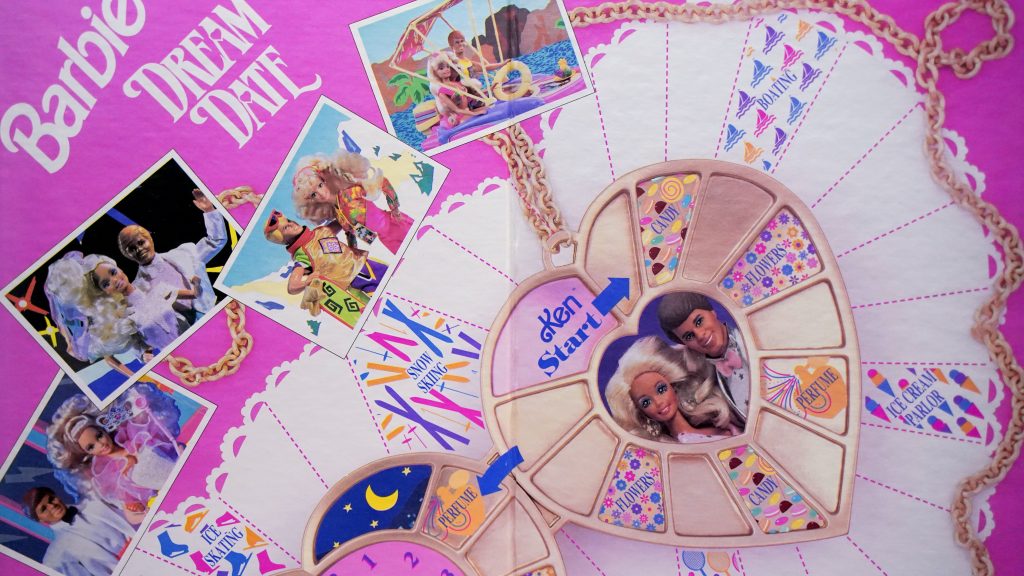
O.B: Whenever possible, we hold a family Monopoly night once a month. Everyone gathers around the table to play. While some may question if Monopoly is the best choice, it has an interesting history: created in 1903 to illustrate the American tax system, it evolved alongside the economy into a game of claiming ownership ”that’s mine,” “pay me rent,” “I bought that,” and “I took this.” Life in America operates under what is often called wild capitalism. Interestingly, all board games mirror the economic and social conditions of their era, shaping gameplay accordingly. People seek to recreate at home what they can’t do outside, and games once offered a perfect outlet for that. They served as a space where players could find heroes to identify with. Nowadays, however, this has shifted mostly to digital games.
 E.N.G: One thing we’re most curious about is which game or collection attracts the most attention from visitors to the museum?
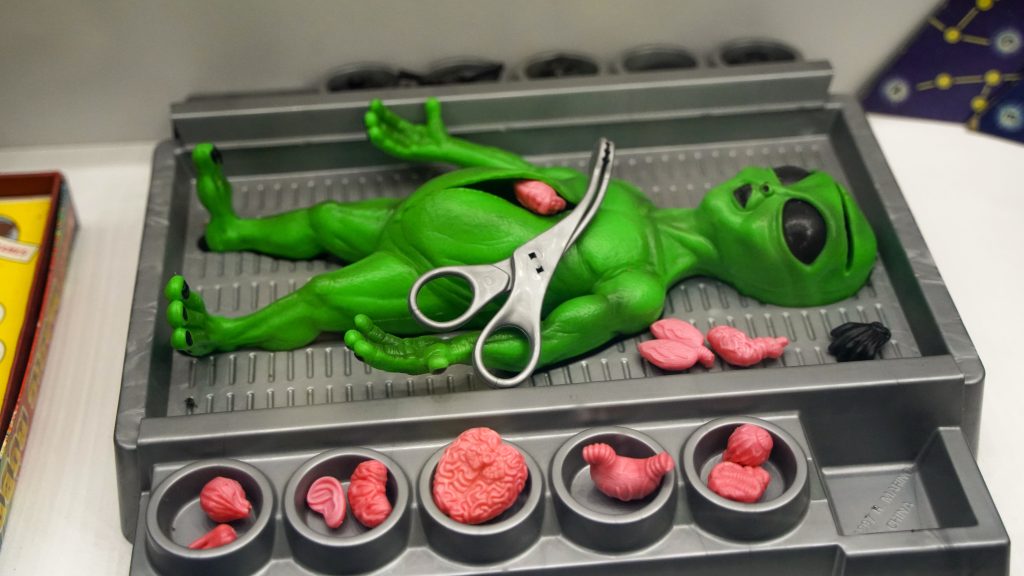
O.B: Age plays a significant role. There’s a toy from the 1960s that depicts an alien. In the U.S., a video allegedly showed an autopsy of an alien from Area 51, inspiring a toy based on that footage. The toy features an alien split in half, with its organs displayed nearby, allowing kids to open and remove its parts. It’s fascinating that children are eager to play with it. While I also have an interest in space, I wonder why they prefer the alien over popular franchises like Star Wars or Star Trek. Perhaps it’s the color, I can’t tell. Elder visitors usually focus on games from their own childhood. After their forties, people tend to revisit the era they grew up in. The museum narrates human history, boasting a timeline from the 1850s to the 1990s. It even has a board game from the first airplane’s invention era its box is a true piece of art. Clearly, different age groups find different things intriguing. “Where there is the unknown, imagination comes into play.”
E.N.G: I read an interview with you, and something you said caught my attention. You said that you try to tell visitors the stories behind the exhibits whenever possible, and that this is not just a place to look around and move on. So, which game or collection do you enjoy telling the story of the most?
O.B: Explaining this is like asking someone which of their children they love most. While many fascinating stories exist, let me clarify: schools often invite us to visit. I tell them, “Don’t bring the children; send the teachers first.” I want to explain the museum to the teachers so they can then explain it to the children. It’s not feasible for me to explain everything to a hundred children; I lack the pedagogical training to keep them engaged and hold their attention. Yet they usually don’t send their teachers first. Instead, they arrive and ask, “Can you give us a tour?” but I can’t, because they didn’t follow my instructions. So, I brought my beloved teacher, Sunay Akın, into the studio, and we recorded six and a half hours of audio. We captured all the stories, built an online system, and linked them to QR codes via YouTube. The videos are private, and scanning a QR code with your phone lets you listen to the stories in Sunay Akın’s voice. Naturally, we didn’t include all the stories. Many stories surround Monopoly. One of my favorites involves its production history. The game was created by Parker Brothers. In 1942, an English company approached Parker Brothers, seeking to obtain the rights to produce Monopoly in the UK. They reached a commercial agreement and started manufacturing and selling the game. Eventually, British intelligence intervened, demanding that the game be produced to their specifications. They placed a large order and paid a significant sum. The games were made exactly as requested and then sent to British prisoners of war held by the Germans through a familyfounded organization. When the soldiers received their game boxes, they found that one out of every hundred contained hidden items -maps, compasses, and lock picks- disguised inside. The prisoners used them to escape from the camps. Nothing is ever quite what it seems. It was an incredibly clever idea. On the surface, it was just Monopoly, yet it helped many prisoners escape from the camps.
E.N.G: Is there a game you believe had a significant influence on many subsequent games?
O.B: One of the earliest types of LEGO a toy still loved by children today despite its high price- was a game called Anchor Stone Blocks, first made in Germany in 1810. A single box weighed about twelve kilograms because it was crafted from cut stone and compressed sand, making it difficult for a child to carry. Interestingly, Albert Einstein’s favorite game to play was this one. There is a club in Amsterdam with 180,000 members registered. They meet twice annually to build towers, cathedrals, and other structures using the latest edition of that game. This game is the predecessor of the LEGO we know today.
E.N.G: In one of your interviews, you mentioned that this museum is the first and only one of its kind in the world. What sets this museum apart, and what makes this concept unique?
O.B: What makes us unique isn’t just being a general museum, but rather a game-specific one. Most game museums, to my knowledge, only showcase games themselves some display vintage computer and arcade games from the 1980s, while others focus exclusively on-board games. Our approach is to create an entire universe centered on industrial games, incorporating elements such as cinema, theatre, puppetry, fairy-tale characters, television, the Wild West, and more. Surrounding the games, we feature toys, posters, illustrations, and signed memorabilia including autographed photos of Stan Lee and Robin Williams.
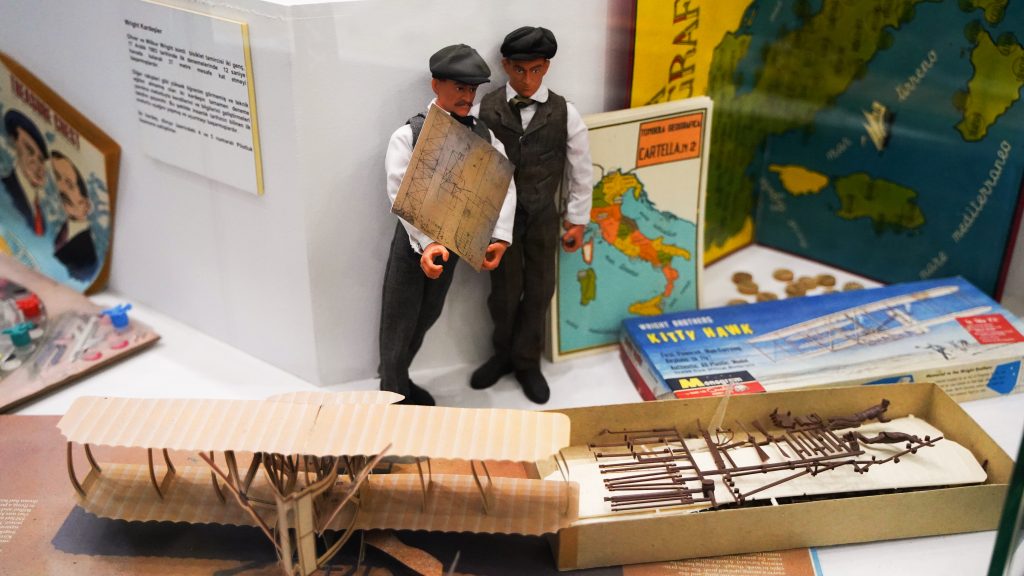
These rare items distinguish our museum from others. Many believe that a game museum should simply feature games, but we see it differently. We think it should also showcase the origins and related items that contributed to game development. For us, games are the outcome, but understanding the reasons behind their development is equally important.
F.Y: Is there a game that has had a major social and cultural impact on society, one that you would consider among the greatest successes?
O.B: Monopoly was among the earliest board games, followed by the first aviation game created before most people even knew what an airplane was. When faced with the unknown, imagination takes over. For example, in 1960, Russia developed a traffic simulator that teaches children how to operate gears, accelerate, and brake. As they turn the steering wheel, the car responds, and traffic lights appear, requiring children to recognize and obey traffic signs.
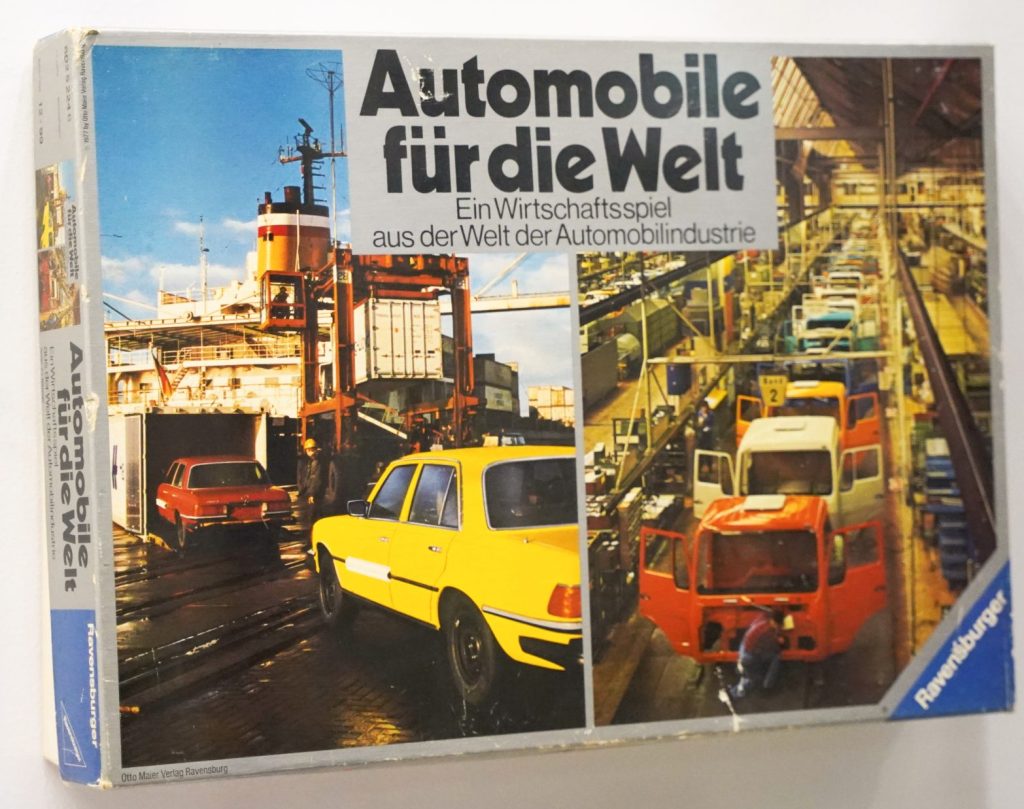
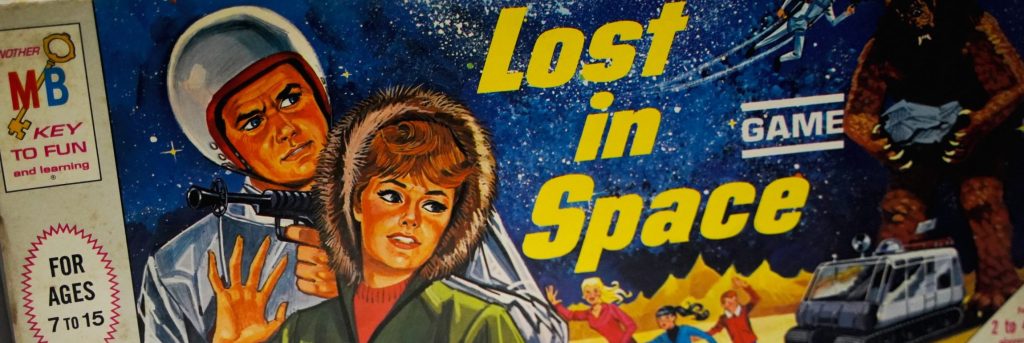
In my view, one of the most effective educational games was developed in Germany in the 1960s, teaching children how cars are manufactured, which is important for their future roles building brands like BMW, Mercedes-Benz, and Audi. Sunay Akın says, “We give toy guns to boys and dolls to girls, then the boys grow up and shoot the girls.” This highlights how what we introduce to children shapes the nation’s future. The US was the first to produce space and alien toys and to reach space itself. As I mentioned, what is presented to a child determines a country’s future; it’s a straightforward, undeniable principle.

Son İçerikler