From Chicago to Frankfurt: The History of Communication Studies
Context Team
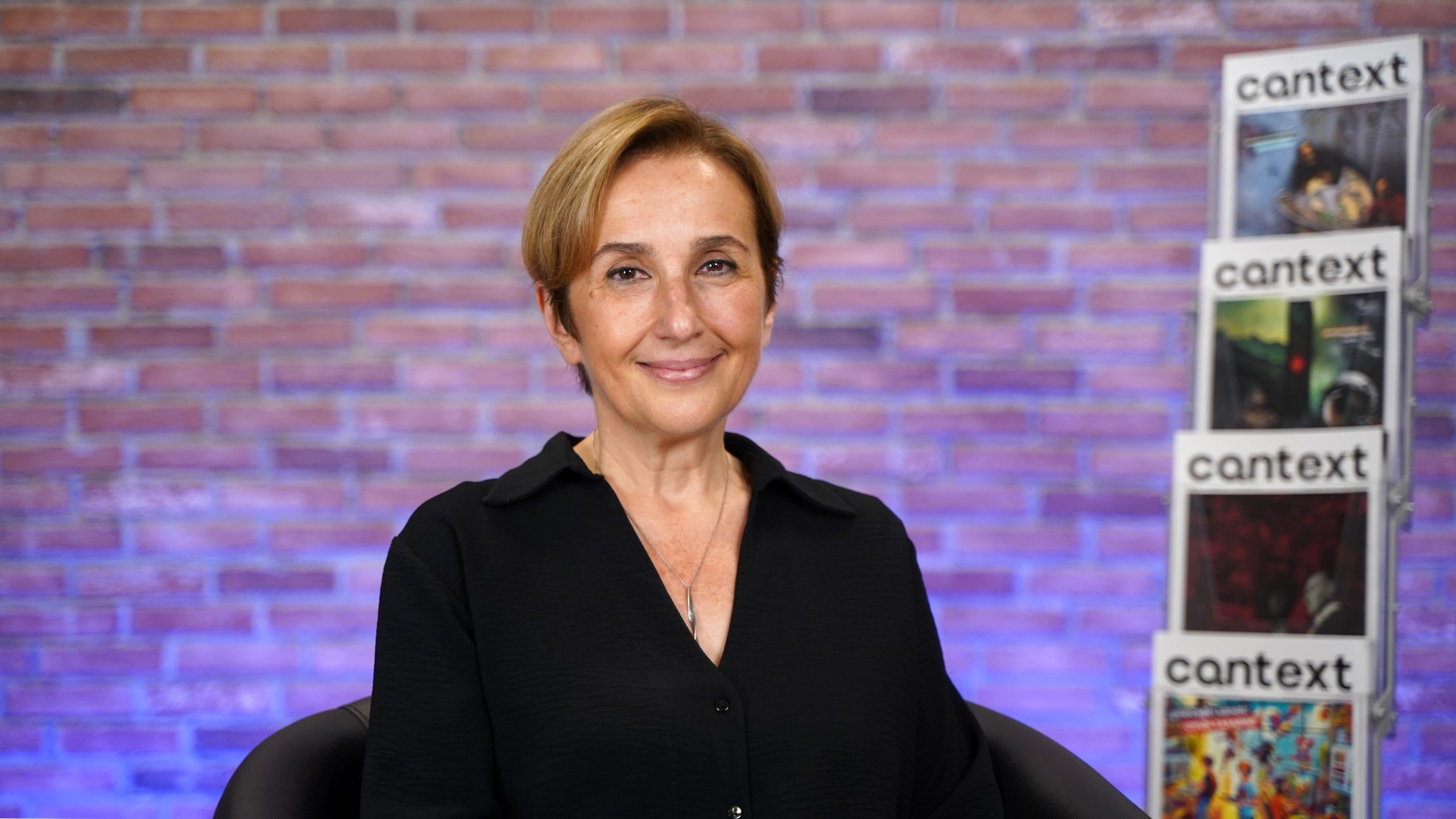
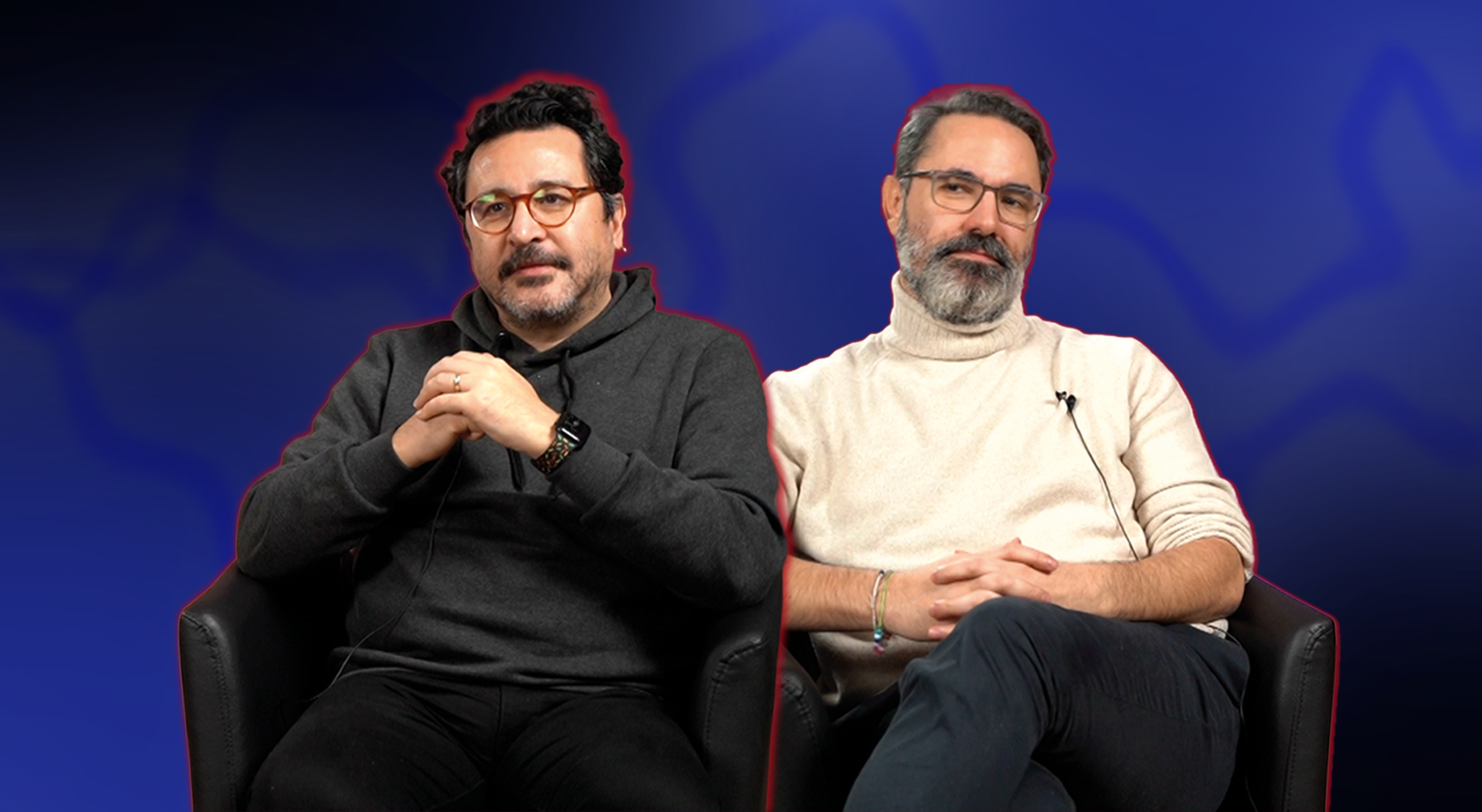
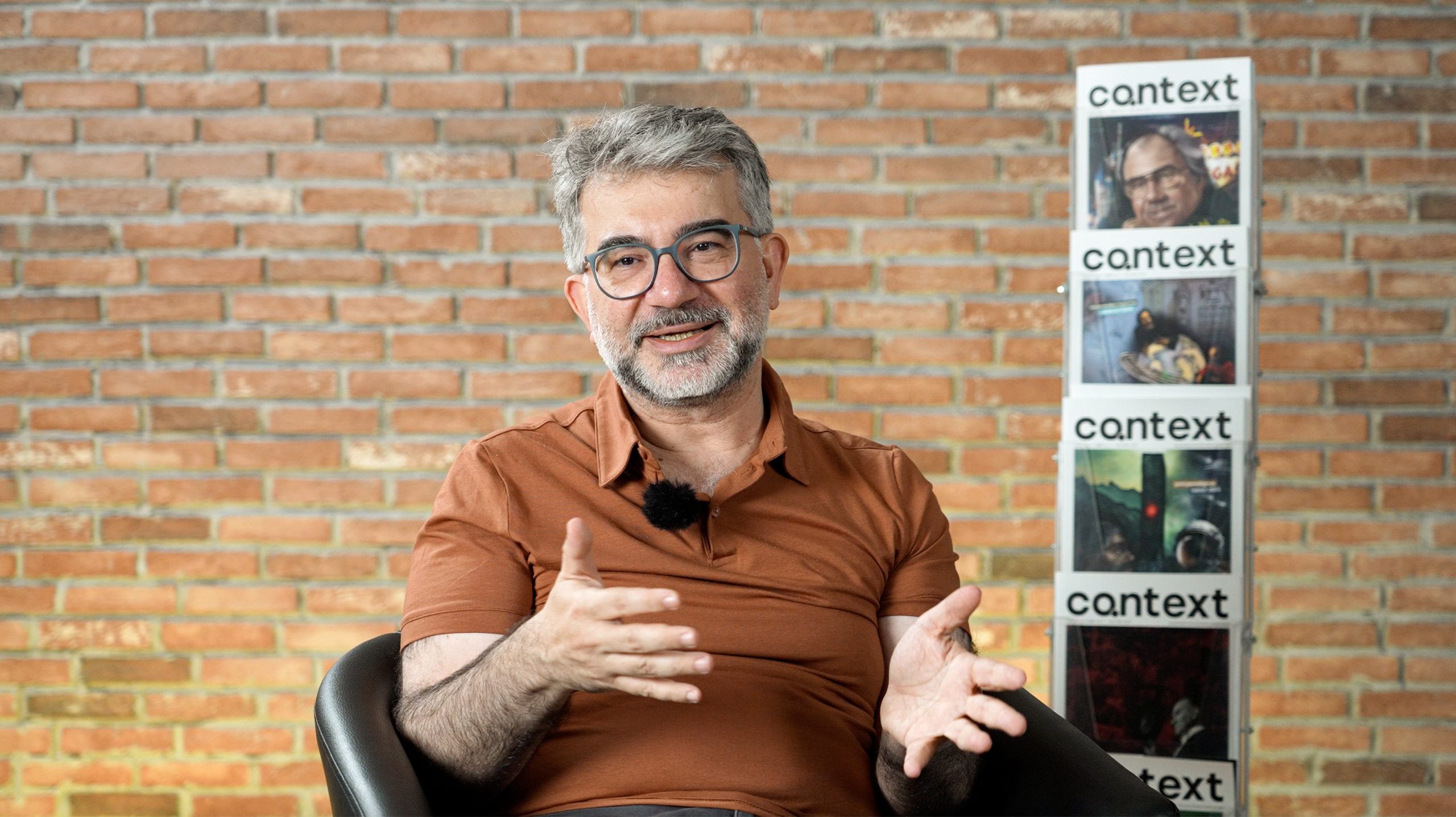
Prof. Nurdoğan Rigel, one of Türkiye’s leading communication scholars, explores the foundational approaches and critical turning points in communication studies. Her account spans from the establishment of communication faculties in Türkiye and the urban sociology tradition of the Chicago School which played a significant role in shaping the discipline to the American years of Theodor Adorno, an influential figure of the Frankfurt School who paved the way for critical theory.
Aslı Şen: Welcome, Professor Rigel. It’s wonderful to have you with us. Could we begin by getting to know you a little better?
Nurdoğan Rigel: I completed my bachelor’s degree at Marmara University, followed by my master’s and doctorate at Istanbul University. Back then, first-year students were required to do an internship. I started mine at the Turkish News Agency (THA) with great enthusiasm. Once I joined the agency, I grew to love journalism even more, as you realize you’re learning far more than what is taught in the classroom. At the time, the Turkish News Agency was regarded as the best training ground for journalism, second only to the Anadolu Agency. Of course, you learn the profession the hard way. Ultimately, you cannot expect the managers and editors at your workplace to act as mentors; they are under constant pressure to deliver news on time. They are systematic and professional, while you are in the position of a novice, hoping for guidance. In fact, my first news stories often ended up in the trash. Our editor would cross out the parts he disliked with a red pen and throw them away. I would wait for him to leave for lunch, then retrieve the stories from the trash to examine his edits and notes. I taught myself how to write news that way. I learned everything how to gather, conceptualize, and organize a story through that process of trial and error, a real “baptism by fire.” Back then, at university, we mostly took classes from business, economics, and law professors; the field of ‘communication’ did not exist yet. We had only one or two lecturers from TRT or the Cumhuriyet newspaper, and they rarely attended classes. We were essentially emerging from an intellectual vacuum, and we had to fill that void through our own efforts. Every Tuesday and Thursday, foreign magazines arrived at the agency. I learned a great deal from them, particularly Newsweek and Time. Even just scanning the headlines in those magazines builds a significant body of knowledge a realization that truly hits you years later. Moreover, this environment forces you to develop reflexes: to think, read, and write at lightning speed. That muscle memory develops over time. It is a process you don’t notice while you are living it, but you realize how it shaped you years later, when you look back or when asked about it by others. Once that happens, you can never truly leave journalism.
Mustafa Burak Avcı: Professor, what led you to pursue a path in academia?
N.R: While I was learning so much at the Turkish News Agency, I found I couldn’t tear myself away from the university; my intellectual thirst was still very much alive. It was through the late Toktamış Ateş, a prominent professor at Istanbul University’s Faculty of Economics who frequently visited the agency, that I learned about the establishment of the Institute of Social Sciences. I wasn’t about to miss that opportunity, so I applied immediately.
Following my master’s and PhD studies, and I realized I had grown to love Istanbul University even more. Perhaps the influence of the distinguished professors from the law, political science, and business faculties played a role.
At the time, it was clear that Public Relations was closely intertwined with the field of Business School. The academic language of the other disciplines was quite challenging; law, as we know, has its own dense syntax, and political science, while somewhat more accessible, was still demanding. International Relations remains my great love, and because I approached it with genuine passion, political science became easier to engage with. Yet, I could never bring myself to like law even though I knew I had to master its language. Business Administration and Political Science ended up being my favorite areas of study. You see, back in that era, the field of communication science didn’t yet exist in Türkiye. The disciplines were structured as follows: Journalism and Public Relations, and Radio and Television; cinema was added later on. I pursued my master’s degree in Public Relations and Journalism. My master’s thesis was titled, “The Impact of Mass Media on Elections.” The story behind this thesis is quite interesting; in journalism, we have a practice known as pulling a quote. You extract a specific element from the content. Since a journalist must write a headline, they immediately pull out a key point from the text to use as the hook.
“Park was also the first to view the city as a laboratory and to recognize that communication functions as a form of social control. Communication is, in essence, a system of control that operates so subtly you hardly notice it.”
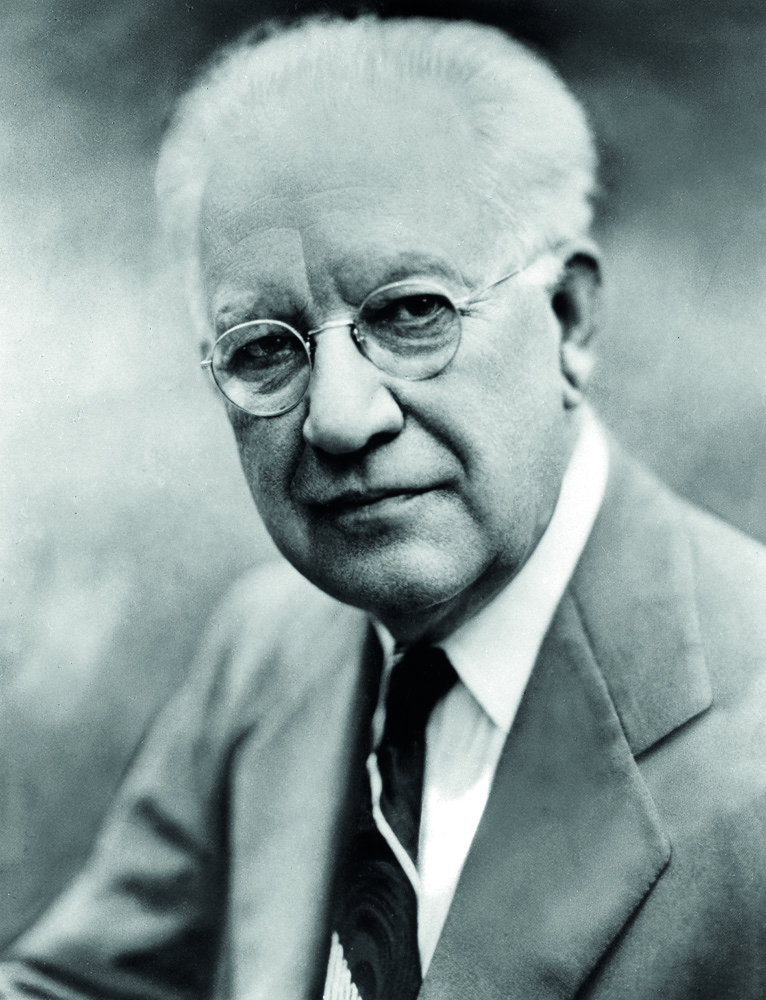
Robert E. Park, 1930s
One day, I came across the term “Political Advertising” in an editor’s column in Newsweek. “That’s it, I’ve found it!” I thought. I decided to base my thesis on this topic. However, there were no available resources on the subject at the time. While I was wondering how to proceed, I attended a fourto-five-day conference in Istanbul as a reporter. A multitude of professors were there political scientists, media and communication scholars… We were there to cover the event, but my mind was occupied with questions for my thesis. There was one particularly significant figure present, the kind of person who possesses a magical touch they might not realize the impact of their influence, but they leave a lasting impression. Betül Mardin was one of them. She was the pioneer of Public Relations in Türkiye, and she was at that very conference. She looked quite stern, but she was an absolutely wonderful lady. I approached her and explained my predicament. one day she called me to her office. “I will bring you an article from Time; you will see that political advertising is right there.”
I honestly thought that someone so incredibly busy and preoccupied would have forgotten all about me. But no, she hadn’t forgotten at all; she had actually brought the article. In essence, that article became the cornerstone of my work. It was a concept that existed globally, yet here, one had to struggle just to uncover it. Indeed, by the 1983 elections, advertisers led primarily by Man Ajans began to enter the fray. At that time, I went to interview Eli Acıman, and he had told me, “Forget about journalism, kid; come join our agency.” I was so intent on becoming a ‘great journalist’ that I declined. I hadn’t yet realized how much creativity and intelligence advertising demanded, or how much it could have contributed to my development. That remains one of my regrets.
I managed to complete the thesis somehow, and it became the very first study in this field in Türkiye. After that, I realized I had become someone who was constantly in pursuit of new concepts. I then pursued my Ph.D. in Radio and Television. After completing my master’s degree in Journalism and Public Relations, I decided to switch perspectives and see what I could learn from the other side of the discipline. My doctoral thesis examined how satellite and cable broadcasting technologies would lead to significant legal challenges, as they would either render existing laws obsolete or simply outpace them.
I used the Gulf War as a case study. I later adapted this thesis into a book titled The Electronic Renaissance (Elektronik Rönesans). Subsequently, I published several other books, including Media Lullabies (Medya Ninnileri), Dream Blindness (Rüya Körleşmesi), News, Children, and Violence (Haber, Çocuk ve Şiddet), and News in Message Design (İleti Tasarımında Haber). Afterward, I had the opportunity to experience three American universities, and these institutions contributed significantly to satisfying my intellectual hunger.
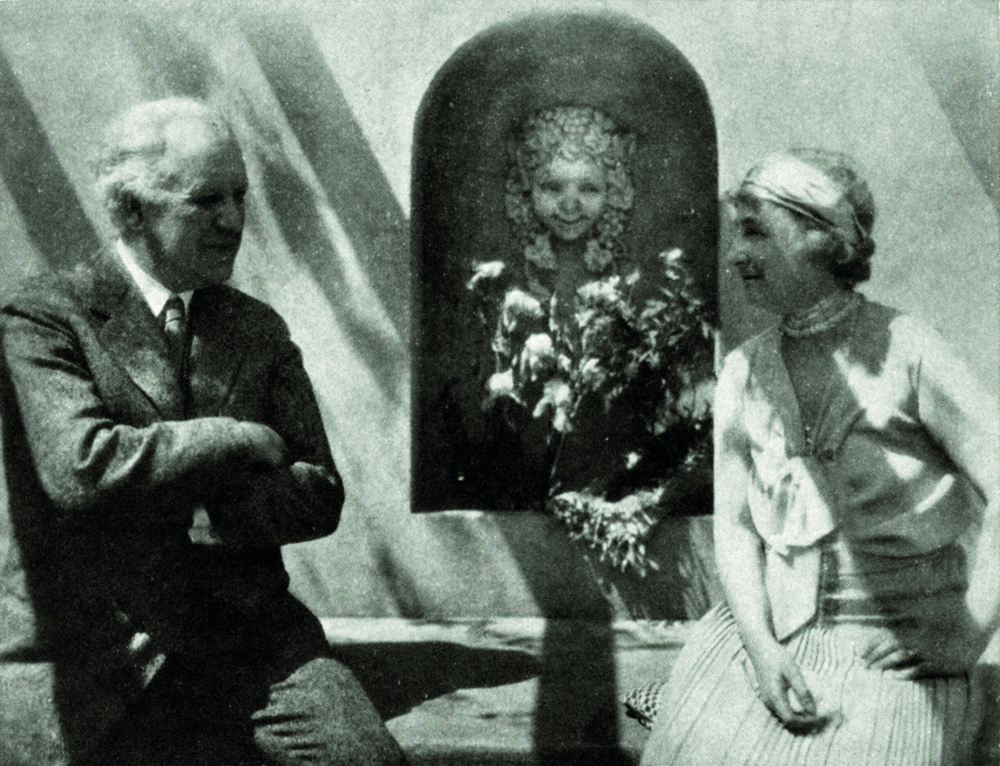
Robert E. Park and Clara Cahill Park, at Chicago Campus.
University of Chicago Photo Archive, apf1-06709.
“Though rarely acknowledged, one of the most pivotal figures in Chicago was Jane Addams, the first American woman to be awarded the Nobel Peace Prize. She led a massive charitable institution and was the primary source of support for the University of Chicago faculty most notably Robert Park in their urban studies.”
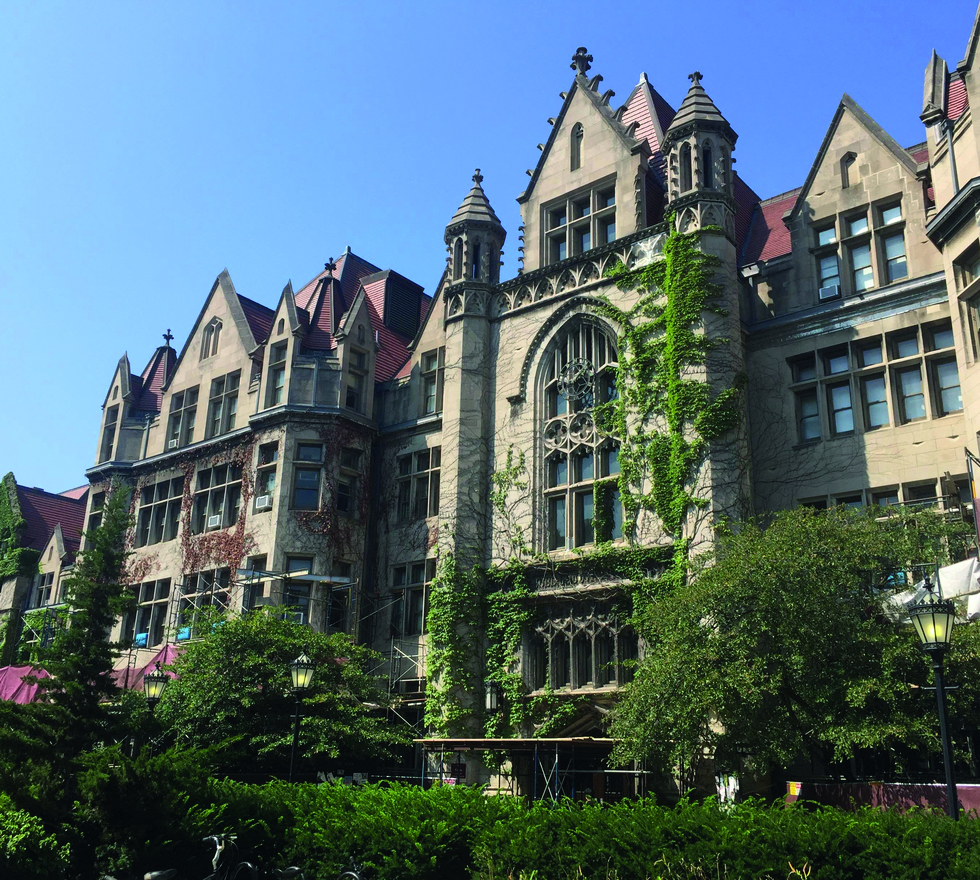
The main campus of the University of Chicago, where Robert E. Park
conducted his academic work (Hyde Park, Chicago).
The first was Florida International University (FIU). Compared to others, it had a modest library, yet it was where I first witnessed that libraries did not have to close at five o’clock; they operated 24/7. It felt like a place where you could simply live and never leave. Because I would stay in the library until midnight, my closest friend became the campus police officer.
I still remember sitting down and crying when I counted 360 references for my thesis at FIU. While back home we could find virtually nothing, here, even in a small-scale university library, I could access 360 sources directly relevant to my thesis. That was the moment I realized that the core of the matter had long been settled elsewhere.
Afterward, I went to Texas A&M University. When I joined the doctoral courses on “Digital Storytelling” I saw that two professors could co-teach a single course: one week it was taught by a professor from Computer Science, and the next week I taught it from a discourse-based perspective. It is not exactly easy to conduct a course like that in our system; here, professors would often clash over turf. However, there was no such friction there. I learned a great deal from them as well.
Then there was Brandeis University in Boston another institution that contributed immensely to my development. I supervised a few theses there, too. These experiences likely led me to view communication studies through an American perspective. Of course, years later, one sees one’s own academic trajectory crystallizing. Self-discovery is a process that takes years. Essentially, I found myself shifting from a Francophone perspective to an American one. This was not something I did intentionally; it was a natural byproduct of the fact that the data and information were originating from that source.
During this process, I realized that I was delivering course content heavily rooted in the American tradition of communication studies. Throughout this time, I developed 24 distinct courses. Among these, there are two that I regret most not having had the chance to fully implement: Media and Diplomacy and Communication and Space. You will notice that when I designed the Communication and Space course, I drew heavily on the Chicago School.
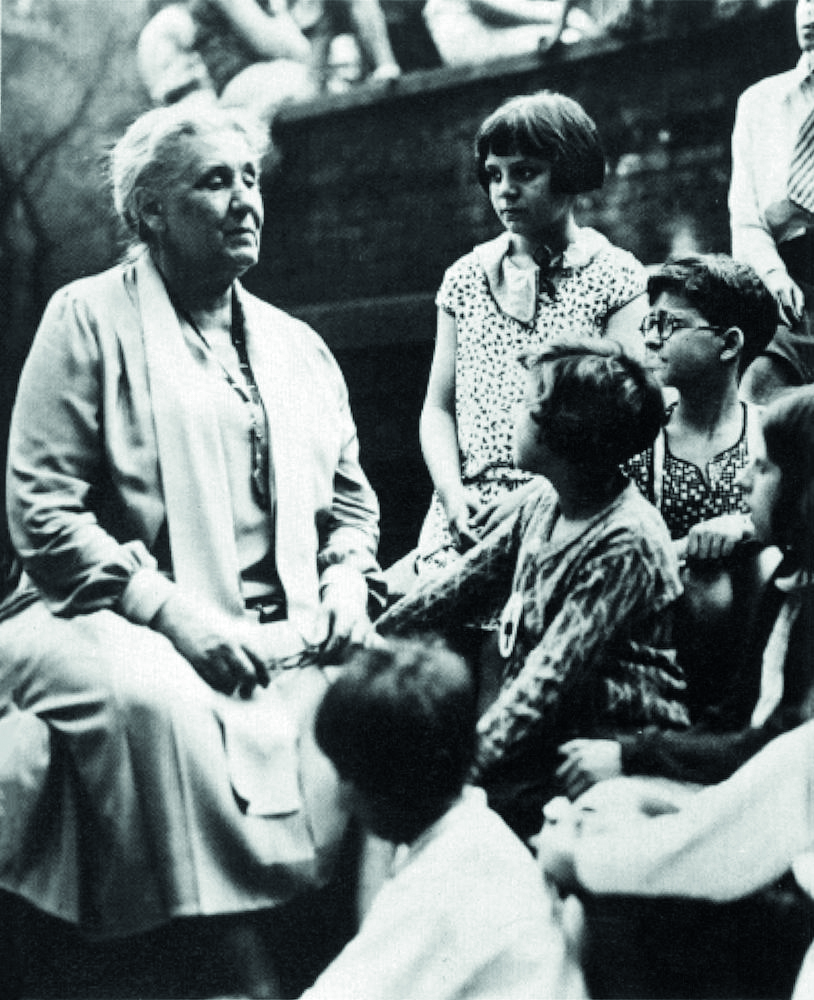
Jane Addams with children at Hull House, 1930s.
A.Ş: How did communication studies emerge, and why is the Chicago School significant in this context?
 N.R: When you trace the foundations and history of communication studies, you inevitably encounter the Chicago School. They were working primarily on sociology, barely realizing that they were laying the groundwork for what would become communication studies. The key to understanding this transition lies with Robert Ezra Park. If you examine Robert E. Park’s biography, you see he possessed a robust background in journalism. The moment a journalist steps into the realm of sociology, everything shifts. It is recounted in one of the articles about him: while his doctoral students were resting, exhausted from their separate research assignments, Robert Park approached them and famously asked, “How can you sit there? How can you just sit when the city is in constant motion?” This reaction is essentially a journalistic reflex. City reporters are never meant to stay seated. Even in today’s age, you cannot simply sit at a desk and ask Google or ChatGPT, “What is going on out there?” You must be right in the city, the very place where events unfold.
Robert Park’s journalistic instinct stems from this. Park was also the first to view the city as a laboratory and to recognize that communication functions as a form of social control. Communication is, in essence, a system of control that operates so subtly you hardly notice it. The reason this discipline emerged in Chicago is that, at the turn of the last century, the city was a site of profound chaos.
Take Upton Sinclair, for instance a journalist who penned the novel The Jungle, which exposed the horrific working conditions in meatpacking plants. I remember putting the book down after only a few pages, thinking, ‘I cannot go on.’ You simply cannot bear the weight of such reality, yet this was the daily existence for people in Chicago at the time. As a journalist, Sinclair faced intense backlash for documenting these truths. Then there is John Steinbeck, whom we all know well. His Cannery Row similarly depicts the crushing poverty of that era. When you think of “America,” your mind immediately goes to Hollywood; you see no trace of destitution, only a magnificent way of life. You are conditioned to believe that is the reality, but these authors insisted that it was not. Steinbeck’s The Grapes of Wrath does exactly the same; he was a ‘narrative journalist’ who laid bare the misery in California. Sinclair and Steinbeck were the pioneers who broke the silence on this poverty. However, that is where the media’s control mechanism kicks in. If you read Steinbeck’s Travels with Charley, you notice a staggering contrast. Suddenly, the narrative shifts from an America of misery to one of beauty, wealth, and five-star luxury. These stories were serialized in Travel magazine before being compiled into a book, and it is highly likely the editor told him, “Forget the misery; tell us about the beauty.” And just like that, America transforms into the sanitized version we know from Hollywood.
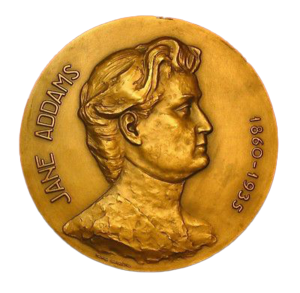
Thus, the Chicago School, together with Robert Park, positioned communication as a mechanism of social control. Though rarely acknowledged, one of the most pivotal figures in Chicago was Jane Addams, the first American woman to be awarded the Nobel Peace Prize. She led a massive charitable institution and was the primary source of support for the University of Chicago faculty most notably Robert Park in their urban studies. In fact, Jane Addams was the first to treat the city as a laboratory, even before the university did. She dedicated her life to helping street children, single parents, and the marginalized, striving to alleviate their suffering. Although her name appears in few textbooks, she is of profound significance. She meticulously mapped the city’s crime patterns, focusing on which neighborhoods reported the highest rates, the root causes of these offenses, and potential remedies. Addams made these issues visible by analyzing their causes and solutions, while Robert Park translated these into academic language and established them as an academic subject.
However, Park’s work does not aim to generate solutions perhaps because he does not view the core purpose of academia as problem-solving. When we begin to formulate our thesis regarding the Chicago School as the foundational element of communication sciences, two concepts emerge: should the field be approached through the lens of the “Sociology of Communication” or “Media Sociology”? These are not synonymous or interchangeable terms; the Sociology of Communication is a macro-concept, whereas Media Sociology is a micro-concept. When you examine the field through the lens of the Sociology of Communication, the sociological influence is far more pronounced. This is why I believe the Chicago School and the Sociology of Communication should be discussed in tandem. When viewed through the lens of Media Sociology, however, the landscape changes. This concept only gained prominence in the 1960s, as the full impact of television following the Second World War remained largely unrecognized until that decade. It was only after the late 1960s that this influence truly began to be felt. For instance, when the series Dallas began airing in Türkiye in the 1980s, we noticed that the streets were completely deserted during its broadcast. This was quite an anomaly for that era, especially in a city like Istanbul, which is bustling 24/7. Back then, people structured their entire schedules around Dallas. It aired on Thursdays, I believe, and we would deliberately avoid making plans for that evening. Dallas serves as one of the primary examples of how the media transformed everyday life. It demonstrated to those in power how everyday life could be controlled or ‘colonized,’ if you will by media narratives. Whether you label it as power or a control mechanism, the effect was the same.
“When I first started teaching, a student of mine once told me: ‘You are trying to teach us so many things, but first, teach us how to think.’ That was a profoundly important lesson for me. So, how do we teach that? Through critical theory.”
This brings us to Jürgen Habermas’s concept of “communicative action.” The idea of the ‘colonization of the lifeworld’ ultimately belongs to Habermas. If we set aside the Sociology of Communication for a moment and look at the public sphere through the lens of communicative action, we see that these two concepts are foundational and highly adaptable across every domain of communication. Years ago, at a conference, I suggested that the public sphere had essentially morphed into a private sphere. Other academics did not receive this well at the time. But look at us now are we not living in a “private sphere” on social media? Everything that was once intimate and private has become shareable, and this is done entirely with the individual’s own consent. Much like Chomsky’s concept of the ‘manufacture of consent,’ we are participating in this transformation of our own free will.
Foucault’s conceptualization of the “confession” reveals a specific power dynamic, and we have effectively embraced the power of social media, voluntarily confessing our lives to it. We wander about in a perpetual state of confession, and within this framework, our daily lives continue to be as Habermas would put it “colonized” We are being colonized, quite literally. And we do this unconsciously, under the guise of mere entertainment. But has the experiential mechanism of communication ceased to function? Certainly not. The control and surveillance mechanisms identified in Chicago persist; they have simply mutated. In the past, this control was managed through censorship, propaganda, political communication, and traditional media editorial systems. None of those mechanisms are necessary now. Because we have already granted our consent; we have accepted this regime and allowed it to exploit our data and our very identities. Consequently, we are witnessing a fundamental transformation of Habermas’s concepts within a new, emerging paradigm.
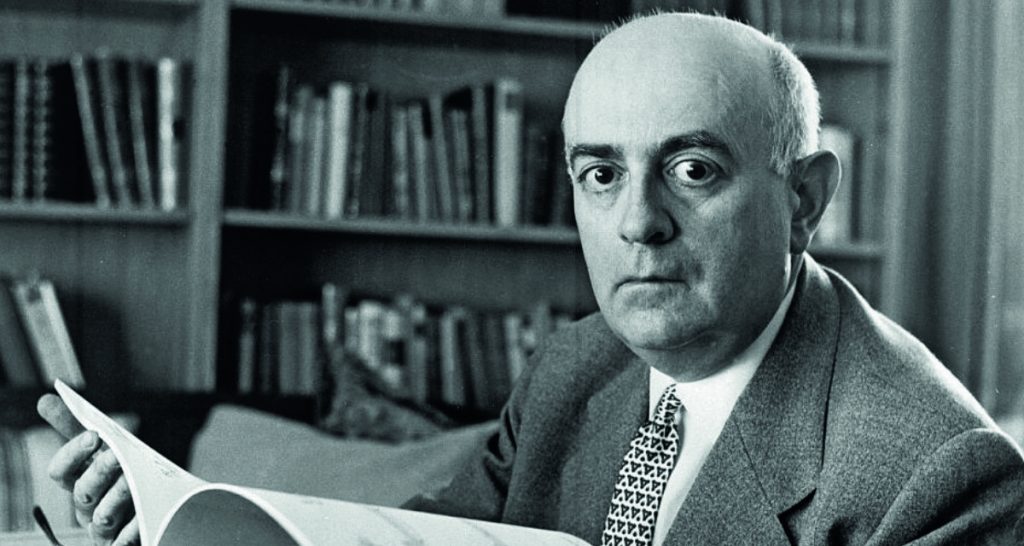
Theodor W. Adorno, one of the leading thinkers of the Frankfurt School
Shoshana Zuboff, a retired professor from Harvard, conceptualizes this phenomenon as “surveillance capitalism.” Sherry Turkle, also from Harvard, coined the term “alone together.” They were among the first scholars to recognize how social life and technosociology were being reshaped by the rapid evolution of communication technology in the 1990s. It is no coincidence that these scholars emerged from Harvard. While few of Sherry Turkle’s books have been translated into Turkish, her seminal contribution to the field remains the concept of being “alone together.” Indeed, we are becoming increasingly alienated, transforming into atomized and isolated individuals. We do this willingly, wholeheartedly, under the illusion that we are enjoying ourselves. And yes, perhaps people actually are having fun.
I was watching a game show the other day. One of the contestants was an influencer who, by all accounts, seemed sensible and had a background in health sciences. When the host asked about her ultimate dream, the girl replied, “I want to be famous.” The host, who was quite sharp, responded: ‘My goal in life was simply to do what I love most. I believe that when you do what you love, you inevitably become well-known because you excel at it. Why did you reverse the process? These days, it seems everything starts from the opposite end. How do you become famous now? Through a couple of one- or two-minute clips you post on social media. The late journalist Mehmet Ali Birand used to refer to this as “the man on the street.” It is impossible to ignore how the very demographic captured by that phrase those whose sole ambition is to “become famous” has come to occupy the absolute epicenter of the system. By seizing power, they have turned the entire structure upside down, starting with democracy itself. It is plain to see how this reversal is pregnant with dangerous consequences.
For instance, early news research and media studies were characterized by an inherent elitism. This is where the ‘discourse elites’ stood out against those at the bottom of the discursive hierarchy. Even a superficial glance at traditional news sources revealed that discourse was exclusively manufactured by elites, namely political, economic, or bureaucratic figures who controlled the gates of information. However, if you look closely, starting in the 1990s, ‘third-page’ tabloid news gradually migrated to the core of the media ecosystem. The very sources Birand labeled as “people on the street” have now come to dominate the landscape via YouTube, the internet, and social media. In other words, as the former underclasses of discourse began to dictate the system, less and less space remained for the intellectual elites who were once the custodians of scientifi c and cultural knowledge. This is because the system now services a world engineered not to educate, but to entertain.
If we navigate life purely in the present, without a single thought for tomorrow, we are living under grave danger. If we look for the genesis of this entertainment-centric narrative, the answer lies in “self-help” literature. The foundational ethos of personal development is encapsulated in the phrase: “Now, today, here.” The very moment you anchor yourself solely in the “here and now,” you effectively wipe your memory clean. This tyranny of the present decimates the future while completely erasing the past. Do you retain any meaningful connection to the past? Not at all. I just shared my own life story with you. In that trajectory, there was a relentless pursuit of deeper knowledge and aspirations for the future; there was a perpetual desire to learn and to teach. None of this was bound to ‘today’ it was entirely projected onto the future. Nowadays, however, because an exorbitant amount of energy is invested in the present, our daily lives are colonized, and this tyranny of the immediate is eroding the fabric of society. If we navigate life purely in the present, without a single thought for tomorrow, we are living under grave danger. When we are told that everything in our lives is going swimmingly, that is precisely when we ought to be deeply suspicious. There is even a book titled Only the Paranoid Survive. In this contemporary landscape, we are practically forced to be paranoid. Something is quietly being stripped away from us, even as we are urged to invest more and more of ourselves. We need to pause and reflect. But because we have forgotten how to think in the midst of all this noise, we cannot even manage that.
“After all, Adorno is someone with very little zest for life, who takes pleasure in nothing. You cannot expect someone who uses critical theory as ‘I will criticize everything, I will look at everything from a negative perspective’ to create music that inspires enthusiasm. He uses music solely for his elitism.”
When I first started teaching, a student of mine once told me: ‘You are trying to teach us so many things, but first, teach us how to think.’ That was a profoundly important lesson for me. So, how do we teach that? Through critical theory. And critical theory arrives with the entire corpus of the Frankfurt School. The foundational figure of this thought is Theodor W. Adorno. He is, without a doubt, the toughest nut to crack in the entire field. I recently came across a quote about him that I absolutely loved: ‘The greatest favor Adorno did was to disabuse readers of the notion that they are always smarter than the author.’ That is classic Adorno. In other words, he is implying, ‘You cannot compete with me neither in knowledge, nor intelligence, nor in your worldview.’ There is this distinct aura about Adorno that says, ‘I am brilliant, I am erudite, I am elite, and I don’t really care to accommodate you.’ Ultimately, he is saying you have a great deal to learn from him but only if you possess the patience to endure the first hundred pages, much like navigating an Umberto Eco novel.
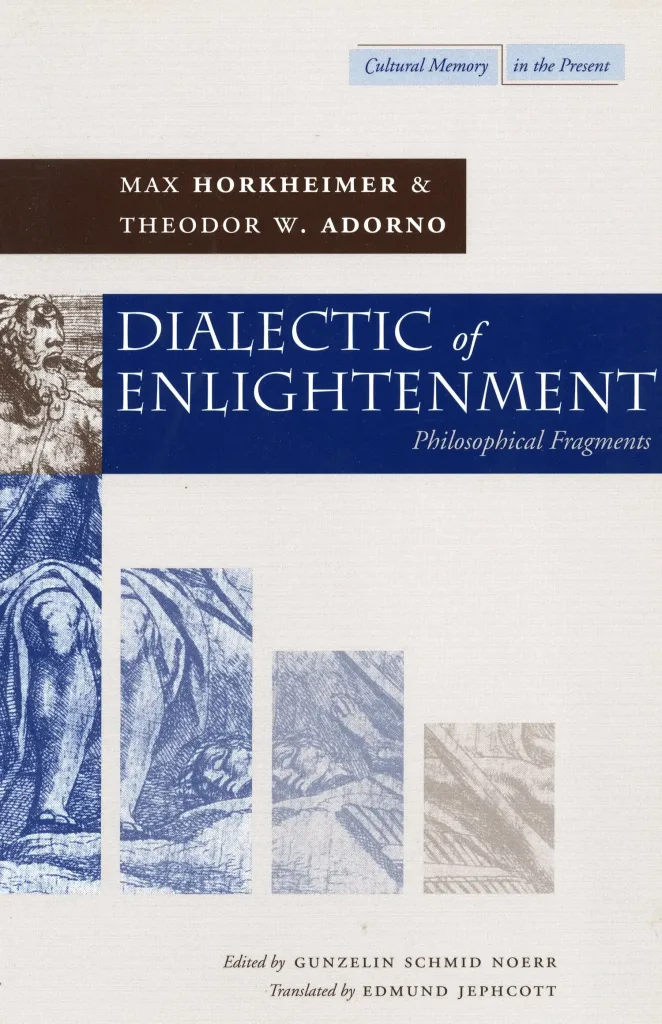
(SPOT) So, how do we teach that? Through critical theory. And critical theory arrives with the entire corpus of the Frankfurt School. The foundational figure of this thought is Theodor W. Adorno. For example, Max Weber’s three-and-a-half to four-month journey to America fundamentally transformed sociology. It shifted the entire paradigm of European sociology and demonstrated just how pivotal religion is as a societal element. Yet, this American influence is stubbornly downplayed by the Frankfurt School, particularly by Adorno. It was only toward the end of his life, in a 30-page essay, that he finally conceded America’s profound impact. Without America, after all, the Frankfurt School would not have survived it saved their lives, quite literally. When Adorno returned to Germany, the Americans were understandably furious, thinking: ‘We rescued you and your colleagues, and without a shred of gratitude, you tore us to shreds by labeling us a “culture industry.”’ Had Adorno not witnessed that reality firsthand, he could never have conceptualized the ‘culture industry.’
Foucault, in his work on the ‘intellectual gaze,’ posits that true intellectual vision is only possible when one examines their own world from the outside. By experiencing an alien environment, you gain the rare vantage point needed to look back at your own society objectively. As long as you remain submerged within it, you are blind to its contours; you cannot map its coordinates. But once you step outside, the mind is forced into a comparative state, which is precisely what catalyzes dialectical thought. Consequently, the thinkers of the Frankfurt School owe the evolution of their paradigm to their exile in New York and, subsequently, California, where during their stay, they deliberately insulated themselves within a sort of intellectual ghetto.
(SPOT) By experiencing an alien environment, you gain the rare vantage point needed to look back at your own society objectively. As long as you remain submerged within it, you are blind to its contours; you cannot map its coordinates. But once you step outside, the mind is forced into a comparative state, which is precisely what catalyzes dialectical thought. Perhaps this is also fundamentally linked to Jewish education. Ultimately, Hebrew contains no vowels; it consists entirely of consonants, and a text cannot resonate without someone to vocalize it. The individual who provides that vocalization eventually emerges as the leader of the community. Through their erudition, their ability to decipher the text, and their capacity to narrate it, a structure reminiscent of shamanism takes shape; they regard their language as their true homeland. Language transforms into a sanctuary. When Adorno returned to Germany, he gave an interview. When asked, ‘Why did you return to Germany?’ he famously replied, ‘I did not return to Germany; I returned to the German language.’ In that single sentence, you can feel the immense suffering he endured over those eleven years of exile. He returned to his language because Adorno was a thinker who wrote from the station of the ink.
Max Horkheimer acted as his father figure. He rarely commands the spotlight, yet it is fair to say that without Horkheimer, Adorno could never have truly become Adorno. The tight-knit enclave they established among themselves in California kept them anchored and ensured their collective survival, driven by a mutual dependence that was both intellectual and material. Furthermore, there is nothing more notoriously difficult in academia than co-authoring a book; yet, during the creation of Dialectic of Enlightenment, it is evident that both thinkers possessed such a symphonic alignment of thought that they could virtually complete each other’s sentences. There was absolute equilibrium between them. Operating and writing in a second language is a harrowing endeavor. No matter how brilliant you are, it takes at least four to five years for the cognitive dominance of your native tongue to recede, and Adorno actively resisted that erosion. German was the very matrix that generated the intellectual Adorno. Consequently, he does not look favorably upon English, which he regards as secondary. Nor does he look favorably upon the place. Sometimes his friends criticize him: “Did you see this light in the sky in Germany? Why are you pushing American life so far away?” He replies, “There’s a lack of landscape.” That’s what surprises me. How can there be a lack of landscape in America? What kind of landscape could he possibly have in mind? He has the landscape of German cities in his head. The first thing you notice when you first go to America is the excess of light. The country has a completely different kind of light. His friends even get annoyed with him, saying, ‘You didn’t see this kind of light in Germany.’ But California’s scenery was supposedly insufficient… For instance, if you look at Jean Baudrillard’s America, it’s a sociologist’s America through and through. Adorno’s America, however, is just exile for him. Yet that exile saved your life; it was through that popularity there that you became ‘Adorno.’ Had he stayed in his own country, he would likely have been a failed musician or musicologist. The things he attempted to write about music were not well received anyway. After all, Adorno is someone with very little zest for life, who takes pleasure in nothing. You cannot expect someone who uses critical theory as ‘I will criticize everything, I will look at everything from a negative perspective’ to create music that inspires enthusiasm. He uses music solely for his elitism.
Of course, they all have that rigorous German education in their backgrounds. They owe their perspectives, their critical faculties, and their entire way of thinking to German discipline. In fact, Communication Studies also owes a great deal to German roots. We don’t place much importance on this here, but when you look at it, that academic and cultural cultivation whether from a place of exile or somewhere you went to learn creates very significant differences in you.
Deniz Benzer: You mentioned that Adorno’s view of America was negative. When we look at Adorno and Horkheimer’s Dialectic of Enlightenment, we see that they also criticize Germany at one point. What are your thoughts on that work?
N.R: Unhappiness isn’t something that leaves Adorno anyway; wherever you go, you carry it with you. The Dialectic of Enlightenment is a first-year undergraduate study. After that, it should lead you to Negative Dialectics. Don’t you need a German education to rethink the Enlightenment? Otherwise, you can’t really imagine an American thinking about the Enlightenment and examining it within that framework. That’s why that German education or perhaps that continental European education is necessary. After all, by the age of twenty, the entire body of macro-knowledge has already formed in these people. After that, it moves toward choosing a direction and producing results. Of course, we must not forget that there is also the impact of the trauma seriously experienced there. The transformation of dialectics into the negative in fact, these two volumes need to be taken together. You can’t just read The Dialectic of Enlightenment and stop there. You have to complete it with Negative Dialectics. Because one was written in America, while the other was written in German upon his return. It’s impossible to create an Adorno framework without seeing both of those. But you can criticize it from this angle: there is discourse, but no action. All of his students criticize him this way. Don’t get mad at Adorno, there’s nothing to be done. It’s clear that we still learn a great deal from every text, every sentence of his…
Not everyone has to be a man of action. Academics have their own personalities, too. Some thinkers have been both men of discourse and men of action. I am also interested in the personalities of thinkers, and from what I can see, an activist character would never have emerged from Adorno. I wish everyone could be like that, but they don’t have to be. Take Herbert Marcuse, for example he’s one of them and a man of action. No one ever told him, “You’re still involved in this stuff even in your 70s.” These people are also the intellectual fathers of the ’68 generation.
The students are angry with Adorno for that reason, too: “We’re here in the squares because of you, with your ideas, but you still aren’t coming out.” Adorno doesn’t feel forced to do this. You don’t have to go out into the square. Learn, think, speak; continue your action in another way. You don’t have to be in the streets. But no one ever told Marcuse, at his advanced age, to “wander around the squares.” It’s entirely a matter of character. We all have a character, an inner drive. Something is pulling you toward it. That driving force is an innate character. If you have siblings, you know that no sibling follows another. They’re all different. There’s a formula from above. I believe in it. We’re all born with that formula, and we strive to fill it out. So don’t be angry with Adorno. He was born that way. There’s nothing to be done.
Son İçerikler